
What’s the difference and why it matters
As retail media networks continue to expand, stores are becoming increasingly sophisticated advertising environments. Screens, shelf displays, and digital touchpoints now exist across the entire shopper journey. But to understand how retail media works, it starts with a simple question: where can advertising appear in-store?
Each placement plays a different role depending on its location, shopper context, and proximity to purchase. This guide outlines the most common retail media placements, and how they are typically used.
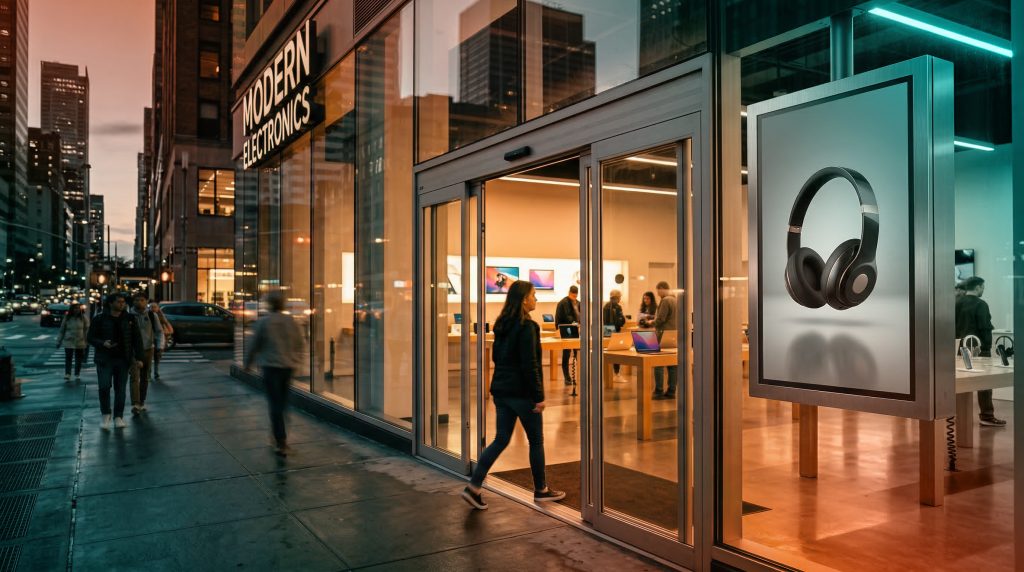
Entrance and storefront screens
Located at the front of the store, these displays are designed to capture attention and influence footfall. They function similarly to digital out-of-home media, reaching shoppers before they enter. Because exposure time is short, content is typically bold, visual, and easy to process quickly.
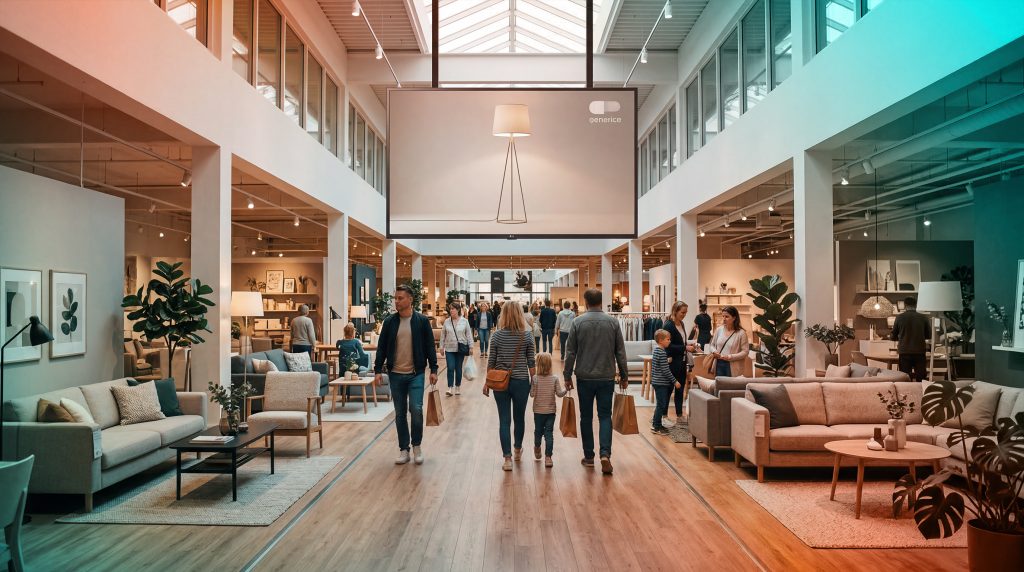
Racetrack and main walkways
The racetrack refers to the main circulation path through a store, often guiding shoppers around key areas. Displays in these zones reach a broad audience and benefit from high traffic. They are less tied to a specific category, making them flexible placements for a wide range of campaigns.
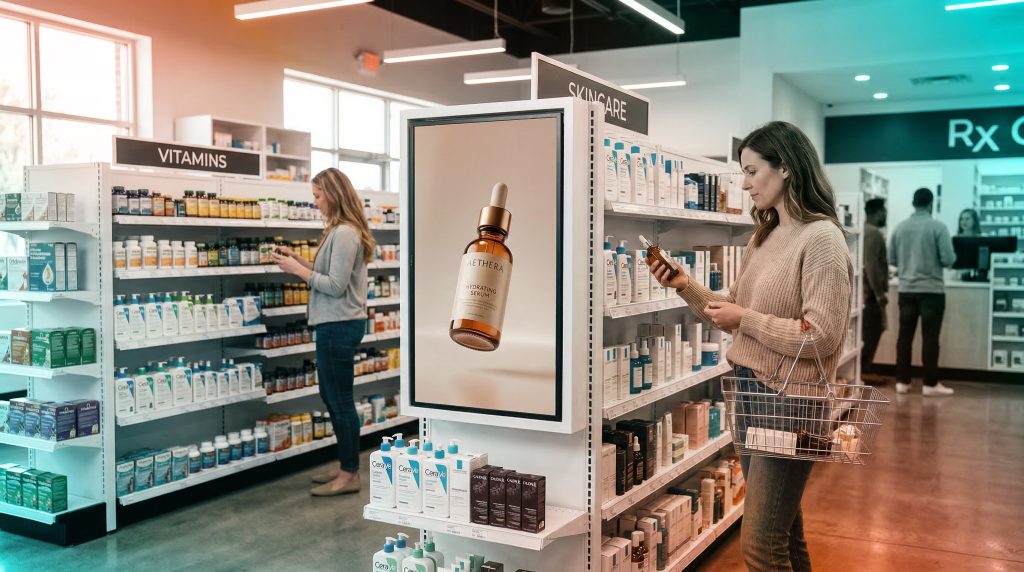
Aisle endcaps
Endcaps sit at the end of aisles and are among the most visible product display areas in-store. They naturally attract attention as shoppers navigate between aisles. When combined with digital media, they become high-impact placements closely linked to nearby products.
Main shopping aisles
Displays placed along aisles support product discovery and influence navigation through the store. Shoppers in this space are typically browsing and exploring options, making it a useful environment for category-level messaging and product inspiration.
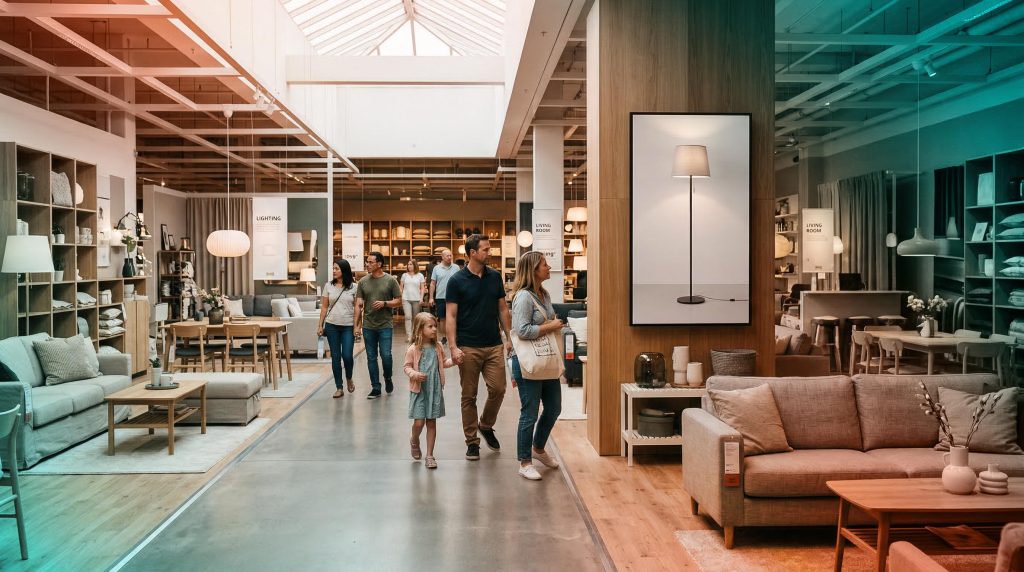
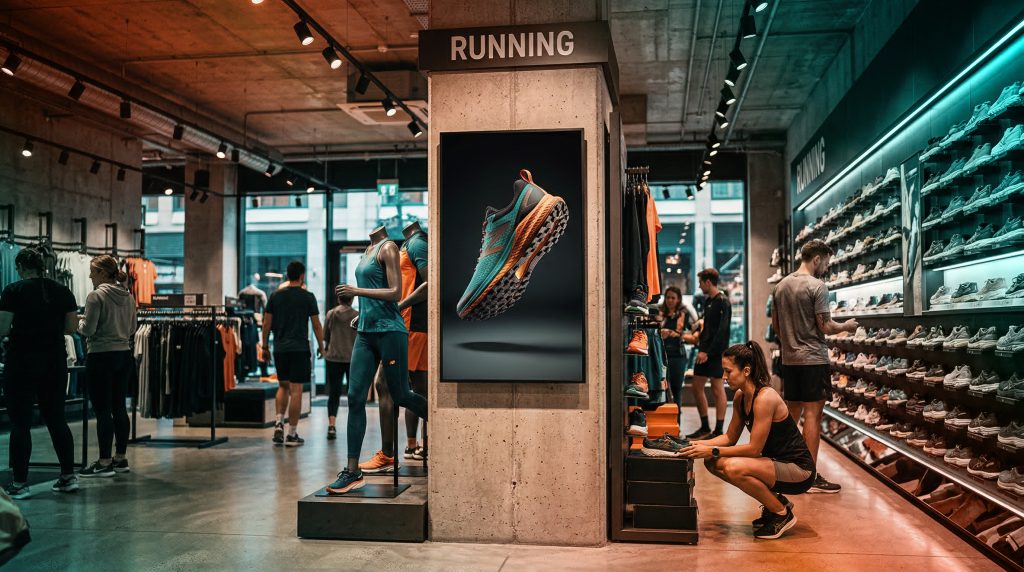
Product category zones
Category zones are areas dedicated to specific product groups such as beverages, cosmetics, or electronics. Media placements here sit closer to the decision-making moment, where shoppers are evaluating options within a category.
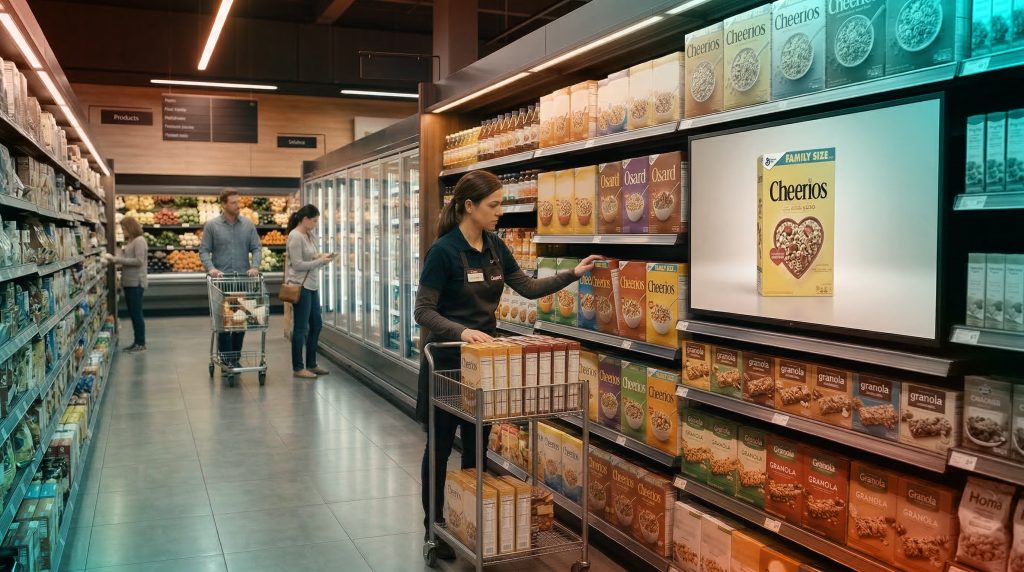
Integrated shelf display
Shelf-edge screens or displays integrated directly into fixtures sit at the closest possible point to the product. These placements influence shoppers at the moment of choice and are tightly connected to the items available on the shelf.
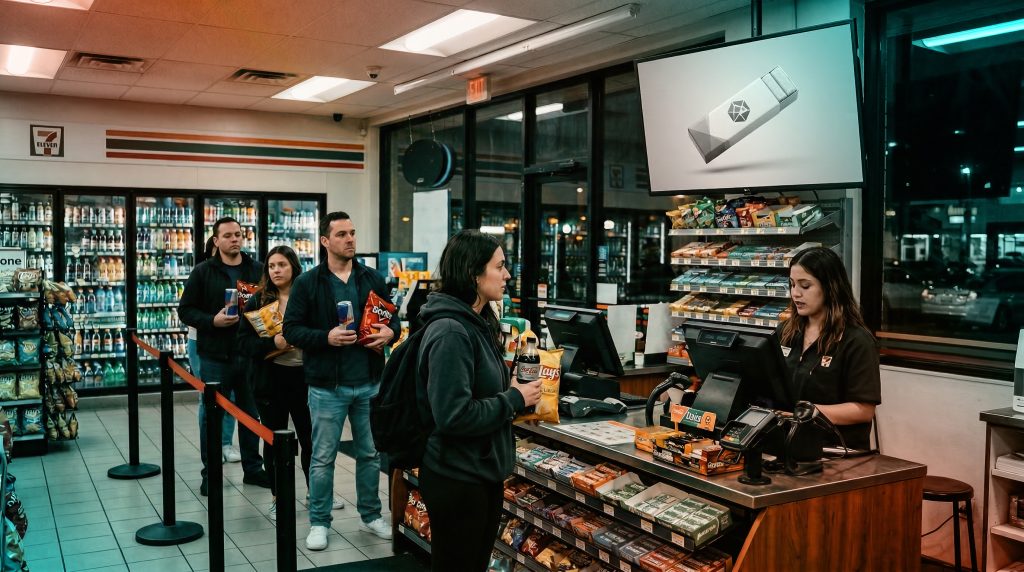
Checkout and queue areas
Checkout areas are high dwell-time zones where shoppers wait before completing their purchase. While the primary shopping decision is often complete, these spaces still offer valuable opportunities for messaging, particularly in environments where last-minute purchases are common.
Pop-up and seasonal displays
Temporary placements are used for seasonal campaigns, promotions, or product launches. These displays are often more immersive and can combine digital and physical elements to create standout experiences.
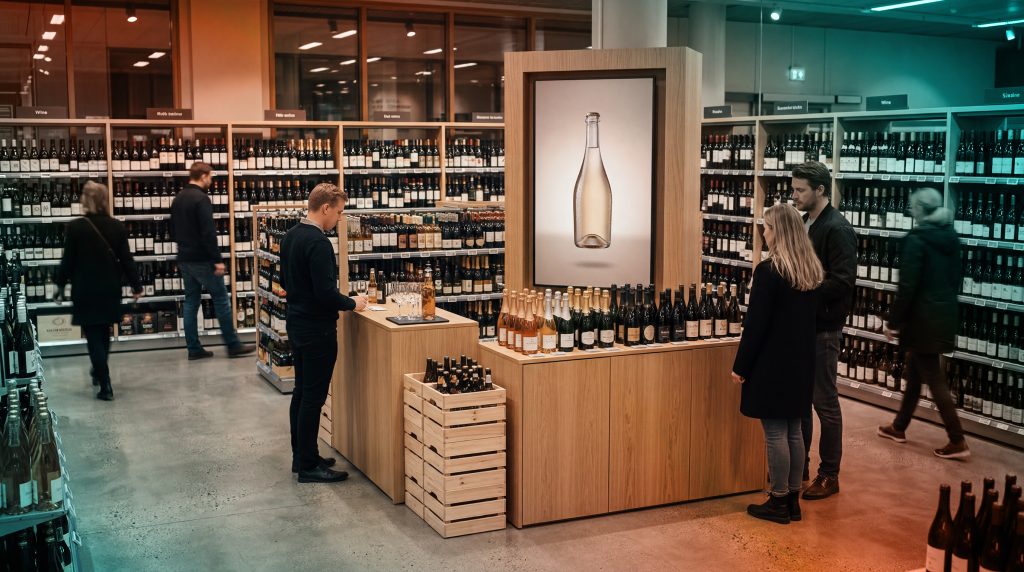
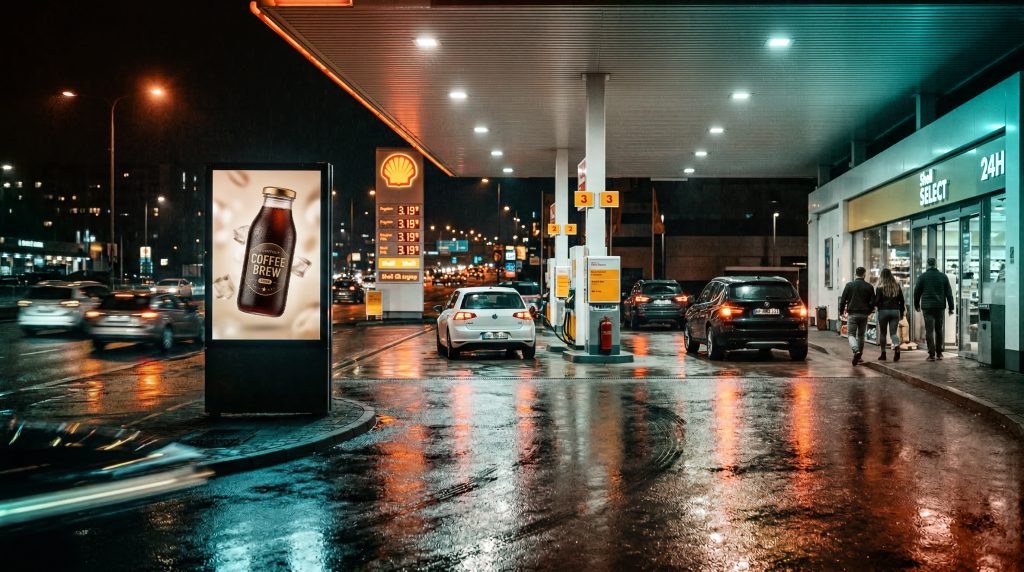
Exit screens
Located near store exits, these placements reach shoppers at the end of their journey. They are often used to reinforce messaging, promote future visits, or extend engagement beyond the immediate purchase.
Understanding placements is the first step
Retail media success begins with understanding where advertising can appear. Each placement offers different levels of visibility, context, and influence.
The next step is knowing how to use these placements strategically, aligning them with campaign objectives, shopper behaviour, and commercial goals.
For more information on this, see our retail media placement strategy article.

Jorn Olsen
Director of Analytics and Retail Media
Let’s talk
Explore how a connected, outcome-driven Retail Media setup can drive real commercial impact.