
A PERSPECTIVE
Retail Media is shifting from placements and impressions towards measurable business outcomes.
What started as a marketing add-on is increasingly discussed at a strategic, C-suite level. The focus is how Retail Media is measured, scaled and linked to commercial outcomes.
Retail Media is maturing fast. Yet many initiatives continue to face challenges in delivering consistent results or scaling effectively.
From our perspective, the challenge is not a lack of channels, screens, or inventory. It lies in how Retail Media is planned, connected, and measured across the organisation.
Retail Media struggles when channels are disconnected
Retail Media is still often delivered in silos. Onsite, offsite, and in-store are planned separately, supported by different teams, partners, and tools, and measured in different ways.
This structure made sense in the early stages. But as Retail Media takes on a more strategic role, this fragmented setup can become a limitation.
While decisions are driven by outcomes, execution often remains channel based. When campaigns planned separately across onsite, offsite, and in-store, accountability can become harder to establish and decision-making takes longer.
Retail Media delivers value when campaigns, data, and operations are coordinated as one connected setup.
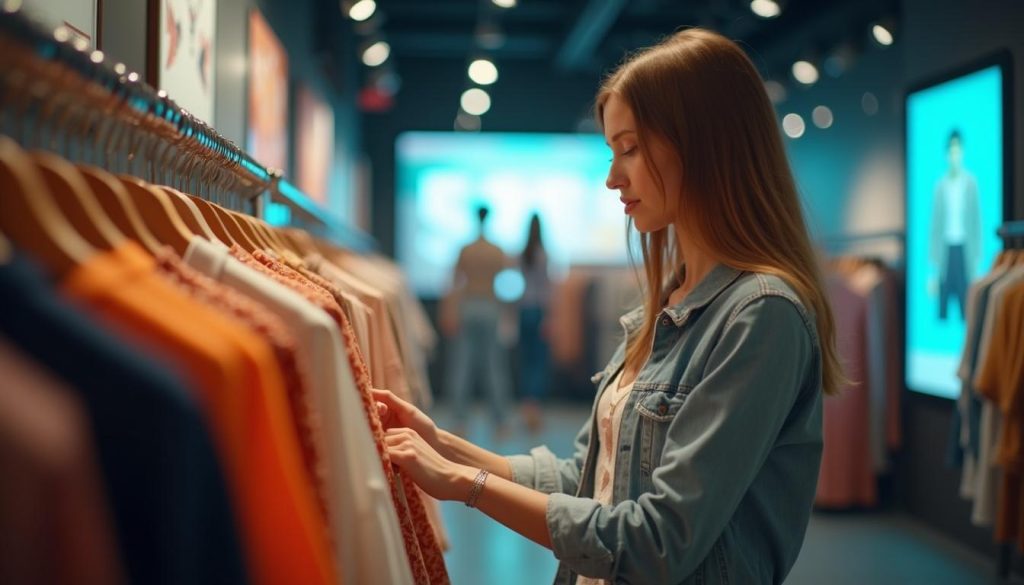
How influence builds across the shopper journey
Retail Media is not experienced as isolated channels. It is experienced as a sequence of moments that build on each other.
Some touchpoints attract attention.
Others guide consideration.
A few influence the final decision.
Not all moments influence decisions equally. Influence tends to be strongest closer to the point of decision.
Earlier in the journey. information plays a stronger role. First-party data improves relevance and reduces friction around price, availability, and familiarity.
Closer to the moment of choice, emotion becomes more influential. Physical presence and situational cues shape confidence and preference in ways that information alone cannot.
When these moments are planned separately, influence is diluted. Messages compete instead of working together, making it harder to understand what truly drives impact.
Why instore matters more than ever
E-commerce continues to grow, and more transactions happen online.
That makes the moments where physical choices are made more important, not less.
Retail Media is not defined by where transactions take place. It is defined by where decisions are influenced.
Instore remains a strong decision environment for physical retail purchases. It is where intent meets real buying conditions, alternatives are visible, and a choice must be made.
By the time a shopper reaches the shelf, many rational questions have already been answered elsewhere.
Consumer research indicates that in-store media can influence purchase decisions at the point of sale, reinforcing the role of physical environments in shaping shopper choice.¹
Instore does not compete with digital influence. It amplifies it.
Personalisation, privacy, and first-party data
Expectations for guided experiences have been shaped online. Those expectations now extend into physical retail, while privacy and consent define how data can be used.
As third-party cookies decline, retailers can no longer depend on external tracking to tailor experiences. Only data they collect directly and with consent can support shopper decisions across channels.
Instore is where this data has the greatest impact. Signals such as loyalty, purchase patterns, and context can be activated at the point of choice without identifying individuals or compromising trust.
This is not about replicating online targeting. It is about supporting shoppers’ decisions when it matters most.
Instore as a revenue driver
This shift is not only about the shopping experience. For retailers that choose to monetise it, instore media can represent an additional revenue opportunity.
As marketing budgets come under increased scrutiny, brands need to justify every money spent. Instore media allow brands to reach shoppers while tying activity to measurable outcomes.
Retailers can link instore media activity to sales rather than just visibility.
Instore media can move from a communication cost to a revenue opportunity.
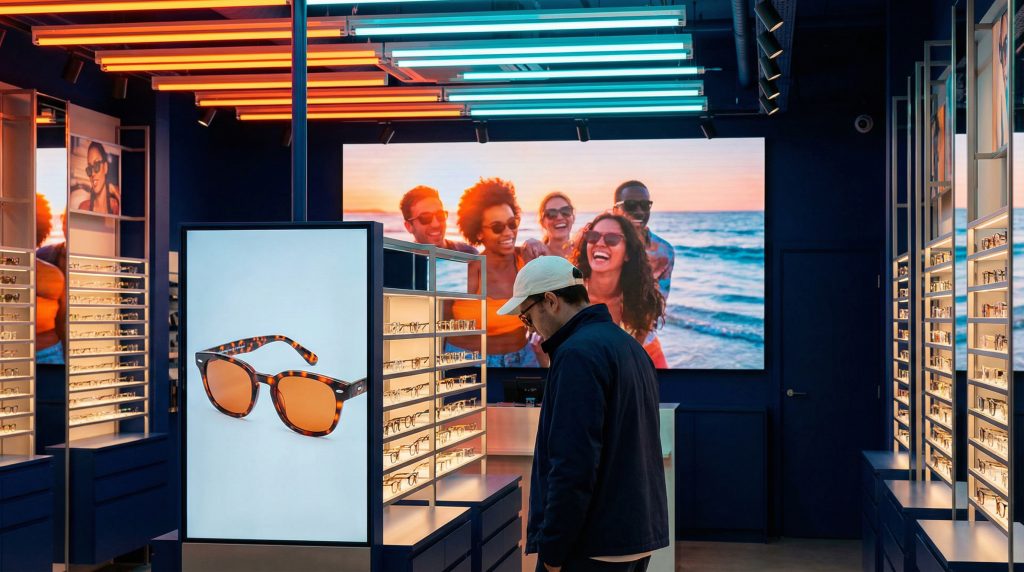
Tracking performance and outcomes
As Retail Media shifts from placements to outcomes, retailers need to rethink how performance is planned, tracked, and measured across channels.
Retail Media cannot scale without trust. Trust is supported by tracking performance and outcomes that clearly connect to results.
When performance cannot be linked to sales or category impact, investment slows.
Tracking performance and outcomes is not just reporting. It is the foundation for optimisation and growth. Industry frameworks are now also addressing how instore retail media audiences can be quantified and aligned with digital retail media measurement, enabling more consistent tracking across physical and digital environments.²
Retail Media setups that connect influence to business results are more likely to outperform those focused on visibility alone.
Retail Media as a performance system
Retail Media is moving beyond placements and isolated channels.
It is becoming a connected performance system built to support decisions, respect privacy, and deliver measurable business outcomes.
The retailers that are likely to lead the next phase will:
- Design Retail Media around decision moments, not channels
- Treat instore as a strategic influence environment
- Activate first-party data responsibly across physical and digital touchpoints
- Measure success through business outcomes rather than impressions
Retail Media is moving from exposure to influence and from activity to accountability. Connection, measurement, and outcomes will define the next phase.

Jorn Olsen
Director of Analytics and Retail Media
Let’s talk
Explore how a connected, outcome-driven Retail Media setup can drive real commercial impact.